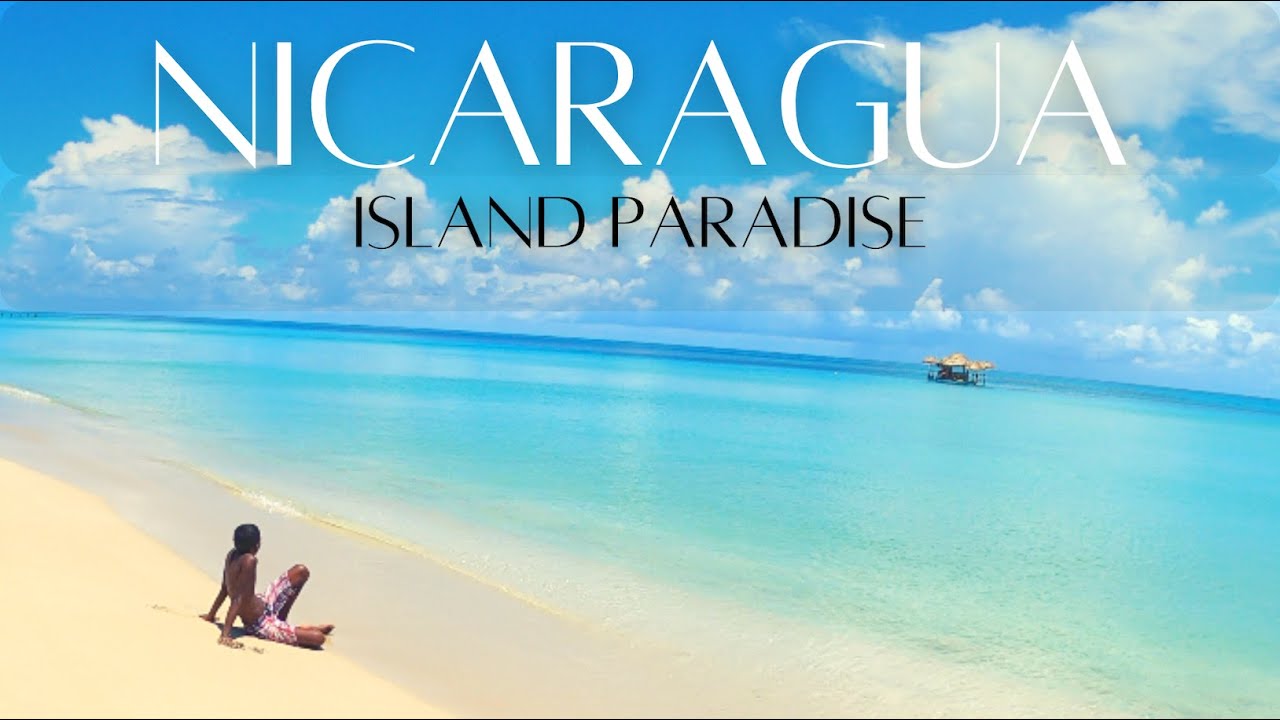
Nicaragua sits in Central America, Spanish-speaking, a country of volcanoes and big lakes on its Pacific side. Its Caribbean coast is another world entirely. It even has its own name, the Mosquito Coast, and its own way of life.
For about two hundred years this coast was British, not Spanish. It was a protectorate the British called the Mosquito Kingdom, and Nicaragua only fully took it over in 1894. So while the west grew up Spanish, the east looked out to the Caribbean.
You hear it in the language. Out here people speak English Creole and Indigenous languages like Miskito, the people the coast is named after, not the Spanish of the rest of the country.
The coast even governs itself. It's split into two self-ruling areas, the North and South Caribbean autonomous regions, the only part of Nicaragua with that kind of independence.
The main town is Bluefields, the Creole heart of the coast, famous for Palo de Mayo, an Afro-Caribbean music and dance festival you won't find on the Pacific side.
Offshore lie the Corn Islands, Big Corn and Little Corn, small Caribbean islands of white sand, clear water, lobster, and Creole culture. There are Garifuna communities too, around Pearl Lagoon, the same people who landed in Honduras and spread along this coast.
So Nicaragua is Central American, but its eastern coast is Caribbean to the core. Same sea, same Creole culture, same history as the rest of this shore.
Video of Nicaragua Big Corn Island