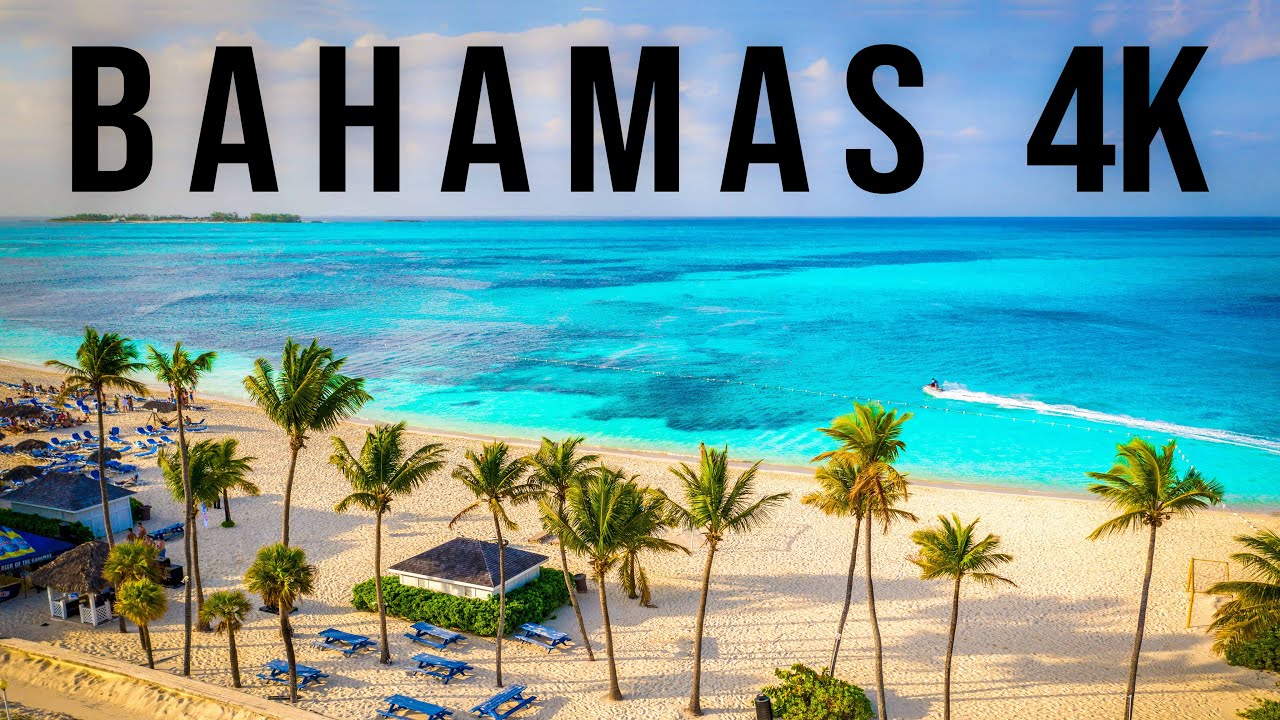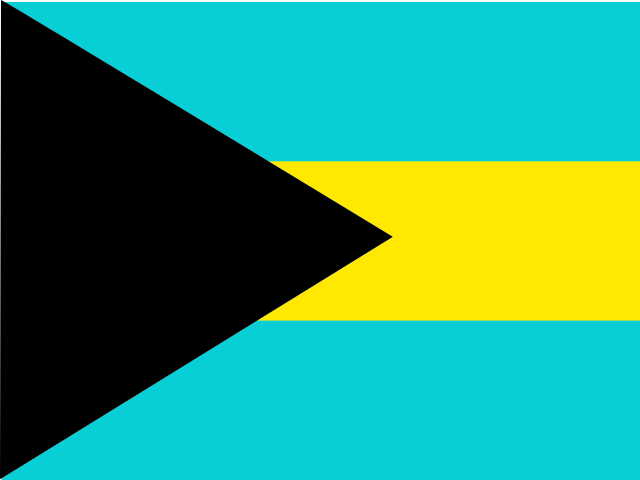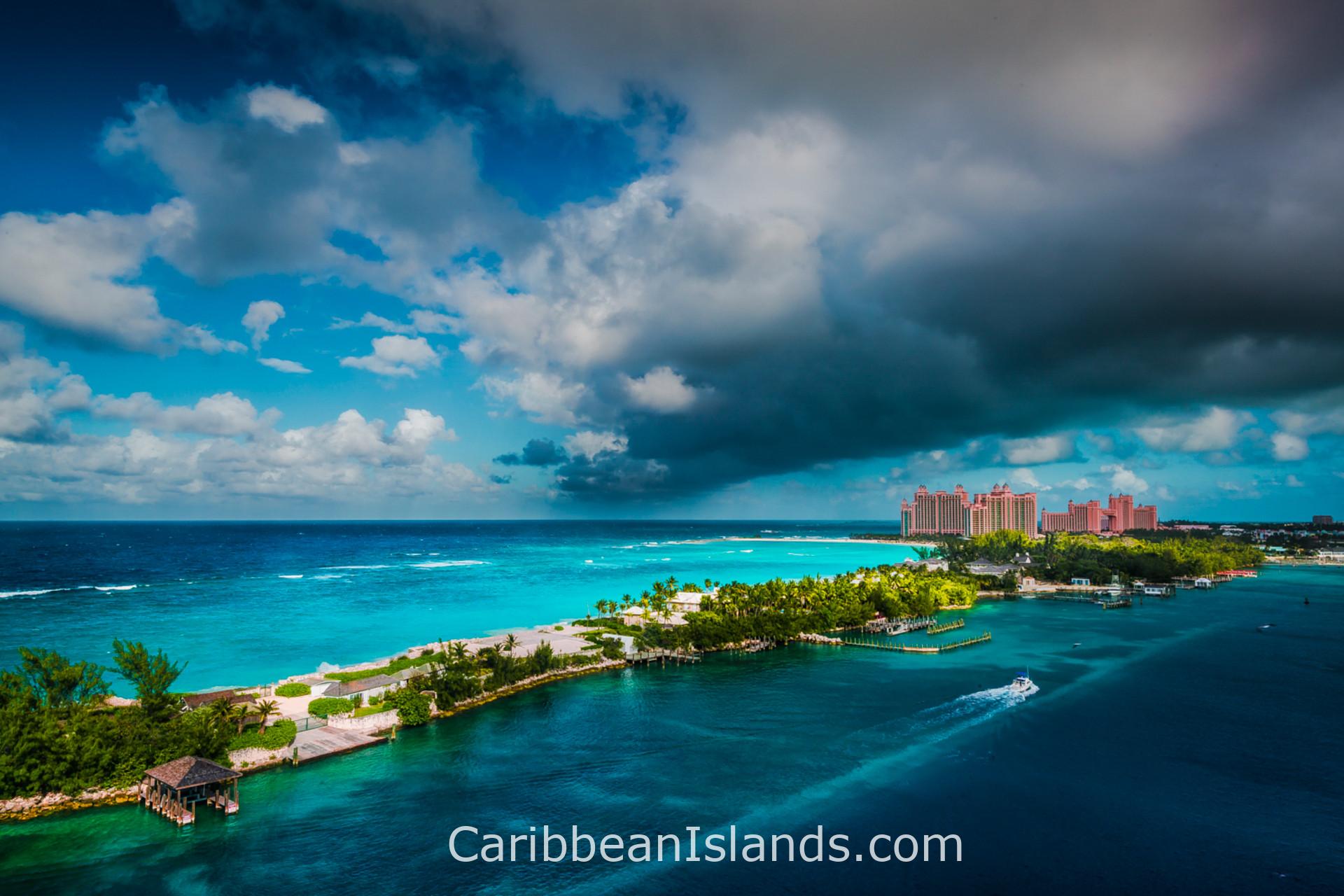
The Bahamas is an archipelago nation whose capital, Nassau, sits on New Providence Island, the entry point for the country and home to more than 70 percent of its population. It is the larger of two countries in the Lucayan Archipelago. The other is the Turks and Caicos Islands. The archipelago sits in the North Atlantic, at the northern edge of the Caribbean region and the West Indies. The islands are geologically distinct from the rest of the Caribbean, coral and limestone rather than volcanic, but historically, culturally, and economically inseparable from it. The Lucayan people, a branch of the Taíno, lived here for roughly 800 years before European contact. They called themselves Lukku-cairi, people of the islands. The archipelago carries their name. About 700 islands and more than 2,400 cays make up the chain. Only 30 are inhabited. The rest are called the Out Islands. The chain stretches nearly 1,000 kilometers, from southeast of Florida to within 80 kilometers of Cuba.
- Capital: Nassau
- Official language: English
- Currency: Bahamian dollar, pegged 1:1 to the US dollar. US dollars accepted everywhere.
- Status: Independent since July 10, 1973. Member of the Commonwealth.
- Population: approximately 400,000 (2024)
Why people visit
Three things bring most visitors to the Bahamas. The first is water. The islands sit on shallow limestone banks that produce some of the clearest water in the Atlantic. Diving, snorkeling, and fishing are the primary draws across most of the islands. The second is the reef. Off the eastern coast of Andros Island runs the third-longest barrier reef in the world. Belize has the largest barrier reef in the Northern Hemisphere. The Bahamas has the third longest globally. The third is range. Nassau offers history, culture, and direct flights from most of North America and Europe. The Out Islands offer the opposite, and most of the 700 islands see almost no visitors.
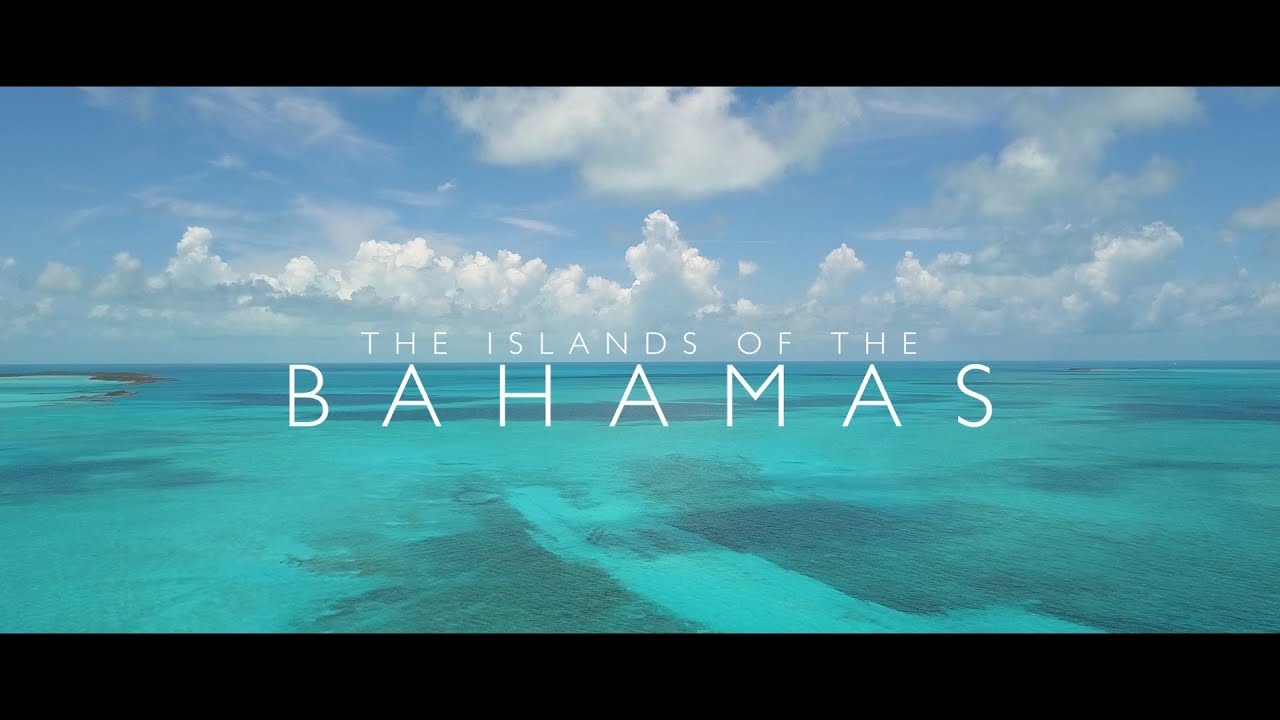
Presentation video of the Bahamas
What made the Bahamas
The Lucayan Taíno lived here for roughly 800 years before Columbus landed on San Salvador in October 1492, his first landfall in the Americas. Within 30 years of that contact, the Lucayans were gone. Spain enslaved them and worked them to death in pearl fisheries off the coast of Venezuela. The islands stood largely empty for over a century. English settlers from Bermuda arrived in 1648, landing first on Eleuthera. A settlement on New Providence followed. Britain declared the Bahamas a Crown colony in 1718, the same year Captain Woodes Rogers arrived to end the pirate republic that had run Nassau for fifteen years. The Bahamas earned its independence on July 10, 1973.
Two periods of North American crisis made the Bahamas unexpectedly prosperous. During the American Civil War, Nassau served as a port for blockade runners supplying the Confederacy. During Prohibition, it profited from rum running to the United States. Both booms came from the same fact: the Bahamas sits close enough to North America to be useful, and outside its jurisdiction.
The majority of Bahamians today are of West African descent. That is a direct result of the slave trade and the 1807 British ban on slave trafficking, which brought thousands of Africans freed from intercepted slave ships to these islands.
What you find
The Bahamas is flat. The islands are coral and limestone throughout. There are no volcanic peaks. The highest point in the entire country is Mount Alvernia on Cat Island, at 63 meters. Andros is the largest island, with more land area than all the other Bahamian islands combined. The Tropic of Cancer runs through the archipelago. The Tongue of the Ocean is a submarine trench between Andros and New Providence. It drops to 2,000 meters at its northern end, some of the deepest water in the Bahamas, sitting minutes from some of the shallowest.
English is the official language. Bahamian Creole is widely spoken. Junkanoo, the national street festival of music, costume, and dance, runs every December and January. The West Indian flamingo is the national bird. Tourism drives more than 50 percent of GDP.
The main Bahamian islands are
The Bahamas islands most visitors go to or know by name:
- Grand Bahama Island — Freeport, second city, major airport, most developed after Nassau
- Abacos — boating capital, most visited Out Island
- Exumas — swimming pigs, celebrity islands, fastest growing destination
- Eleuthera and Harbour Island — pink sand, high end, well known internationally
- Bimini — closest to the US, famous for fishing, Hemingway
The Bahamas known but less visited:
- Andros — largest island, third longest barrier reef, divers
- Berry Islands — private islands, millionaire reputation
- Cat Island — Mount Alvernia, unspoiled, Sir Sidney Poitier birthplace
- Long Island — Dean's Blue Hole, dramatic cliffs
- San Salvador — Columbus landfall, historically significant
The Bahamas remote, rarely visited:
- Inagua — flamingos, nature tourism only
- Crooked and Acklins Islands — most remote in the chain
- Mayaguana — population under 300, almost no tourism


For more than 250 years, the official motto of the Bahamas was Expulsis Piratis, Restituta Commercia, Pirates Expelled, Commerce Restored. The country kept it from 1718 until independence in 1973.
Bahamas presentation videos