
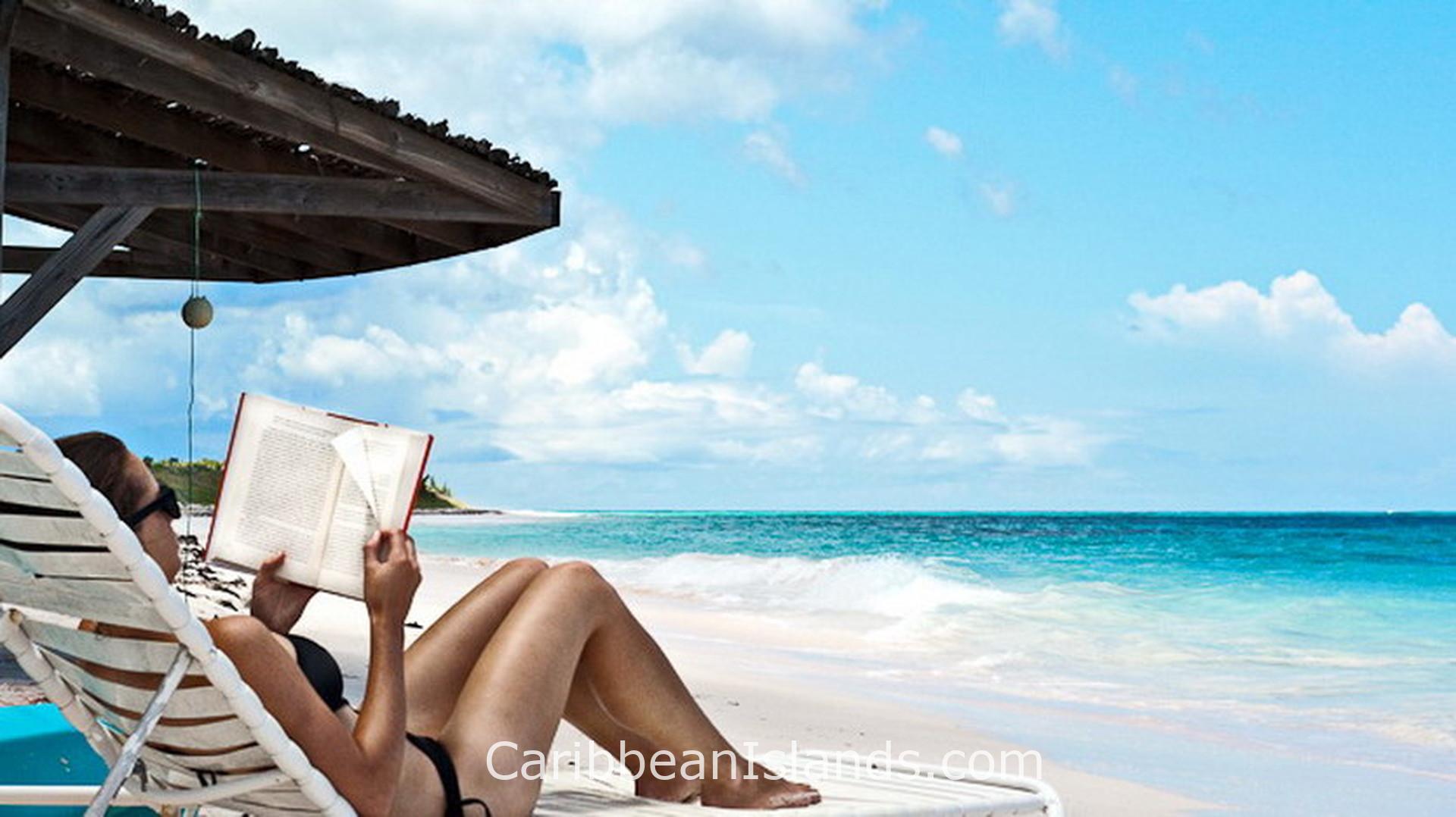
Cat Island is a fishhook-shaped island 48 miles long and four miles wide at its widest point, in the central Bahamas. It is one of the less visited Out Islands, with a permanent population of around 1,500 people spread across small settlements connected by a single main road. The island holds the highest point in the Bahamas, and two facts that belong to no other island: it is the birthplace of rake and scrape music, the traditional Bahamian genre built around the goombay drum, concertina, and handsaw, and it is where Sidney Poitier grew up.
- Nearest airports: Arthur's Town Airport (ATC / MYCA), New Bight Airport (TBI / MYCB)
- Climate: Tropical. Warm and dry December to April, hot and wet June to October.
Why people visit Cat Island
The main draw is Mount Alvernia, the highest point in the Bahamas at 63 meters. On its peak stands The Hermitage, a small stone monastery built entirely by hand by Father Jerome Hawes, an architect who arrived in the Bahamas as an Anglican priest, converted to Catholicism, and spent his later years as a hermit on the hill. He hand-carved the steps from solid rock. He died there in 1956. The climb is steep and the view from the top covers most of the island in both directions.
Arthur's Town is where Sidney Poitier spent his childhood. Poitier was born in Miami in 1927, prematurely and unexpectedly, while his Cat Island farming parents were on a business trip. He grew up in Arthur's Town, left at 15, and went on to become in 1964 the first Black actor and first Bahamian to win the Academy Award for Best Actor. The house where he grew up still stands in Arthur's Town.
In Port Howe, the ruins of the Deveaux House plantation stand as evidence of the island's Loyalist past. Colonel Andrew Deveaux received the plantation in 1783 as a reward for recapturing Nassau from Spain that same year, an operation in which he led 220 men against 600 trained soldiers and won without a single shot fired.
What made Cat Island
The Lucayan Taíno called the island Guanima. The name Cat Island is disputed. It may come from Arthur Catt, a pirate who frequented the area, or from the large population of feral cats that once lived here. Loyalists arrived in 1783, the same year the treaty ending the American Revolution gave the Bahamas back to Britain. They established cotton plantations, but the soil was poor and the industry failed within a generation. Their descendants stayed and found other ways to live.
One of those ways was music. Cat Island developed rake and scrape, a rhythmic Bahamian music built around the goombay drum, a handheld concertina, and a carpenter's handsaw played with a screwdriver. The music remains central to Cat Island festivals and is recognized as a distinct part of Bahamian national culture.
Another is cascarilla. Cat Island harvests the bark of the cascarilla tree, an aromatic shrub that grows across the island. The bark is exported to Italy, where it is used as a flavoring in Campari and in medicines and perfumes.
What you find
Cat Island is long and narrow with beaches on both the Atlantic and Caribbean sides. The Atlantic side is rougher and less visited. The leeward side is calmer and where most swimming happens. Just south of The Hermitage, Armbrister Plantation ruins sit beside Armbrister Creek, which flows into a tidal lake locals call Boiling Hole. The tidal movement produces bubbles that rise to the surface, which generated local folklore of a sea monster below. Today it is a place to see rays, small sharks, and nesting birds. At the southern tip of the island, a glass-bottom bridge sits where calm water meets open ocean, the contrast between the two sides visible through the structure beneath your feet.
The islands of the Bahamas

Grand Bahama Island

Abacos, Bahamas

Exumas, Bahamas

Eleuthera and Harbour Island, Bahamas

Bimini, Bahamas

Andros, Bahamas

Berry Islands, Bahamas
Cat Island, Bahamas

Long Island, Bahamas

San Salvador, Bahamas

Inagua, Bahamas

Crooked & Acklins Islands, Bahamas

Mayaguana, Bahamas

The Bahamas