
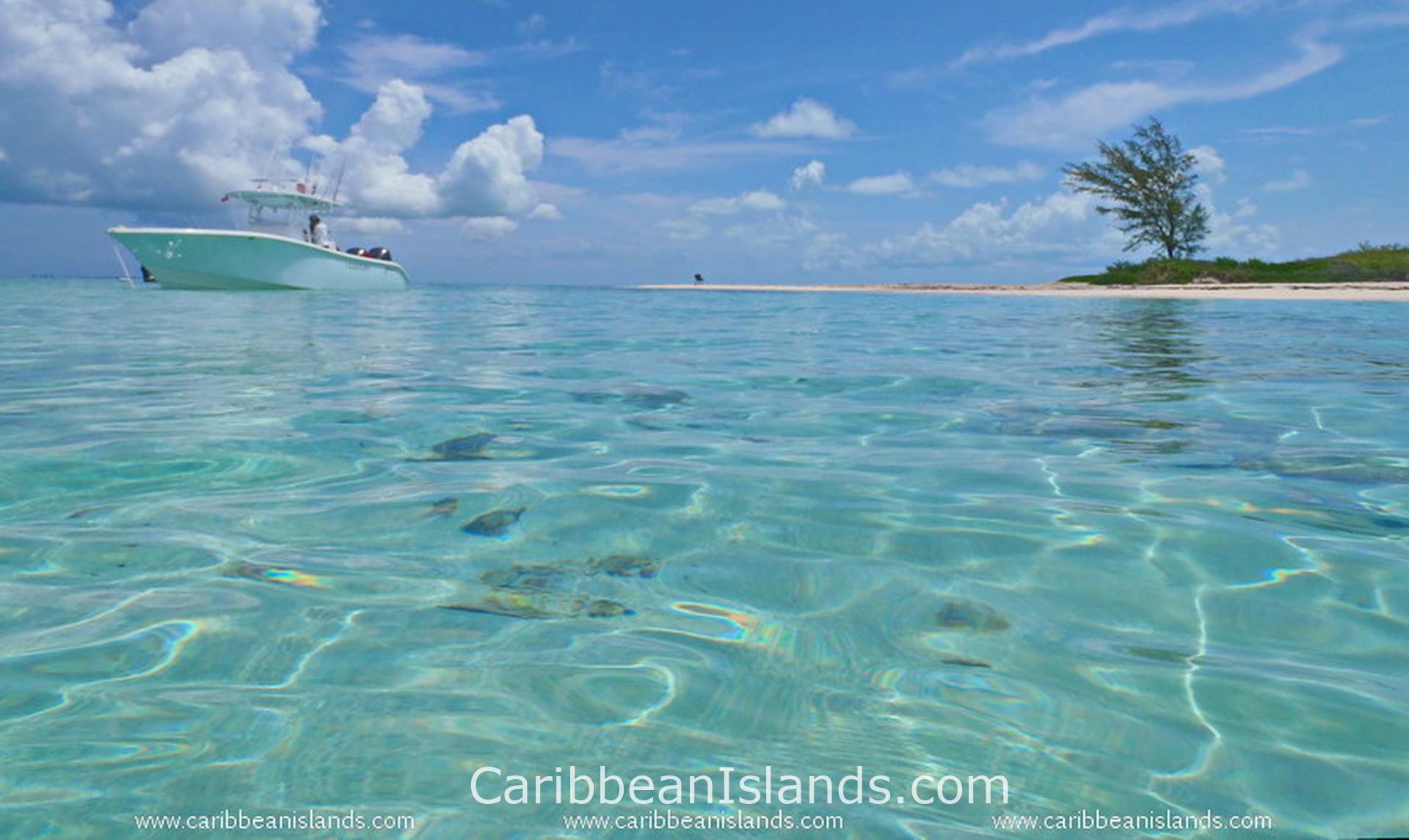
تُعد Bimini المنطقة الواقعة في أقصى غرب جزر البهاما، وهي أقرب نقطة في الأرخبيل إلى البر الرئيسي للولايات المتحدة، حيث تقع على بعد 50 ميلاً شرق ميامي مباشرةً. تُعتبر North Bimini الجزيرة الرئيسية، ويبلغ طولها 11 كيلومتراً ولا يتجاوز عرضها 200 متر في أي نقطة. يعيش معظم سكان الجزيرة، البالغ عددهم حوالي 2000 نسمة، في Alice Town، وهو طريق واحد يضم المتاجر والمطاعم والحانات ويُسمى King's Highway. تضم South Bimini المطار ولا شيء غير ذلك تقريباً، وتصل عبّارة بين الجزيرتين في رحلة تستغرق خمس دقائق.
- أقرب مطار: مطار South Bimini (BIM / MYBS)، في South Bimini
- المناخ: استوائي. دافئ وجاف من ديسمبر إلى أبريل، وحار ورطب من يونيو إلى أكتوبر.
لماذا يزور الناس Bimini
صيد الأسماك هو السبب الأول. تقع Bimini عند حافة تيار الخليج (Gulf Stream)، وهو تيار دافئ يتدفق شمالاً عبر جزر البهاما حاملاً أسماك المارلين الأزرق، والتونة، وأبو شراع، وأبو سيف. تطلق الجزيرة على نفسها لقب عاصمة صيد الأسماك الرياضي في العالم. وصل Ernest Hemingway في عام 1935 من أجل الصيد وبقي لمدة عامين. عاش في فندق Compleat Angler، وكان يصطاد على متن قاربه Pilar، وكتب أجزاءً من روايتي "To Have and Have Not" و"Islands in the Stream" أثناء وجوده في الجزيرة. ويُقال إن سمكة مارلين زرقاء بوزن 500 رطل تم اصطيادها قبالة سواحل Bimini كانت الأساس لرواية "The Old Man and the Sea". احترق فندق Compleat Angler بالكامل في 13 يناير 2006، مما أدى إلى ضياع عقود من صور Hemingway ومقتنياته التذكارية.
الغوص هو السبب الثاني. على بعد حوالي ميل واحد من الشاطئ وفي مياه بعمق 15 قدماً، يقع Bimini Road، وهو تشكيل تحت الماء يتكون من كتل كبيرة من الحجر الجيري تمتد لحوالي 450 متراً. تم اكتشاف هذا التشكيل في عام 1969، وادعى البعض أنه جزء من مدينة أطلانتس المفقودة، بينما يصفه الجيولوجيون بأنه تشكيل صخري شاطئي طبيعي. ومهما كان أصله، فهو أحد أكثر مواقع الغوص زيارة في جزر البهاما. كما توجد سفينة SS Sapona، وهي سفينة خرسانية كانت تُستخدم لتخزين الخمور المهربة خلال فترة حظر الكحول، وقد جنحت في إعصار عام 1926 جنوب Bimini. يبرز النصف العلوي منها فوق سطح الماء، ويستكشف الغواصون هيكلها المغمور.
زار Martin Luther King Jr. جزيرة Bimini في عام 1964 وعمل على خطاب قبول جائزة نوبل للسلام أثناء وجوده هناك. واليوم، يوجد تمثالان نصفيان برونزيان لـ King على الجزيرة.
ما الذي شكّل Bimini
سكن شعب Lucayan Taíno الجزيرة قبل Columbus، ثم أبعدهم الإسبان بعد عام 1492. كانت عائلات Bimini الخمس المؤسسة تعمل في مجال انتشال حطام السفن بموجب ترخيص في عام 1834، وهو نفس العام الذي ألغت فيه بريطانيا العبودية في جزر البهاما. ويشكل أحفادهم معظم سكان اليوم. خلال فترة حظر الكحول، كانت Bimini والجزر الصغيرة المجاورة Gun Cay وCat Cay تعمل كمستودعات خارجية. كانت السفن الشراعية المحملة بالخمور ترسو هنا بينما كان مهربو الروم الأمريكيون ينقلون البضائع شمالاً عبر تيار الخليج. دُمر نادي Bimini Bay Rod and Gun Club، وهو أول فندق في الجزيرة، في نفس إعصار عام 1926 الذي حطم سفينة Sapona.
تحدثت أسطورة من أساطير Lucayan عن مكان يُدعى Beimini حيث يمكن العثور على ينبوع الشباب الأبدي. سمع المستكشف الإسباني Juan Ponce de León هذه القصة وبحث عنها. يشير المؤرخون إلى أن شعب Lucayan كانوا يصفون موقعاً في خليج هندوراس، وليس جزر البهاما. قادت رحلة De León الاستكشافية إلى فلوريدا، وليس Bimini. يوجد بئر مياه عذبة صغير في South Bimini بالقرب من المطار يحمل لوحة تحدد الموقع باعتباره "ينبوع الشباب"، رغم أن الأساس التاريخي لهذا الادعاء محل نزاع، إلا أن البئر حقيقي.
ما ستجده هناك
تتميز North Bimini بضيق مساحتها لدرجة أنه يمكنك رؤية المحيط الأطلسي من جانب تيار الخليج في يوم صافٍ. الشاطئ الغربي عبارة عن شاطئ طويل واحد. يمتد طريق King's Highway على طول الجزيرة مع إمكانية رؤية المياه على كلا الجانبين في بعض الأماكن. لا توجد إشارات مرور، ويتنقل معظم الناس بواسطة عربات الغولف أو سيراً على الأقدام. يتدفق تيار الخليج بالقرب من الشاطئ لدرجة أن صيد الأسماك في المياه العميقة ممكن في غضون دقائق من مغادرة الرصيف. تعيش الدلافين المرقطة البرية في الضفاف الرملية الضحلة غرب الجزيرة ويمكن رؤيتها بالقوارب.
جزر البهاما

جزيرة غراند باهاما

أباكو، البهاما

إكسوما، جزر البهاما

إليوثيرا وجزيرة هاربور، جزر البهاما
بيميني، جزر البهاما

أندروس، جزر البهاما

جزر بيري، جزر البهاما

جزيرة القط، جزر البهاما

جزيرة لونغ آيلاند، باهاماس

سان سلفادور، جزر البهاما

إيناغوا، جزر البهاما

جزر كروكد وأكلينز، جزر البهاما

ماياغوانا، جزر البهاما

